Get a Free Tree Service Estimate
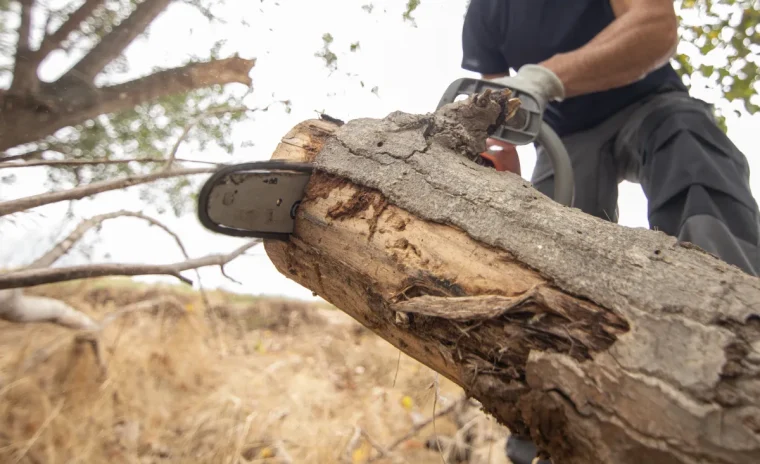
Tree stumps left behind after removal can be unsightly, hazardous, and a nuisance in your yard. That’s why many homeowners and landscapers turn to stump grinding as the most efficient way to handle leftover stumps. Understanding what is stump grinding, how it works, and the benefits over traditional removal methods can help you make the best choice for your property.
In this listicle, we’ll explain what is tree stump grinding, outline the process, discuss what happens to roots after stump grinding, explore timelines for planting, and provide tips on what to do after stump grinding.
1. Understand What Stump Grinding Is
Stump grinding is the process of mechanically grinding down a tree stump into small wood chips using a specialized stump grinder. Unlike full stump removal, which requires digging and often heavy equipment, stump grinding efficiently eliminates the visible portion of the stump while leaving the underground roots mostly intact.
Key benefits include:
- Faster than digging out stumps manually.
- Minimizes soil disruption.
- Produces wood chips that can be reused as mulch.
Knowing what is stump grinding helps you appreciate why it’s the preferred method for homeowners and landscapers alike.
2. How Tree Stump Grinding Works
What is tree stump grinding in practice? The process involves:
- Assessment: Technicians evaluate the size and location of the stump.
- Safety preparation: The area is cleared of debris, rocks, or objects that may interfere with the grinder.
- Grinding: A rotating cutting wheel chips away the stump layer by layer until it reaches below ground level.
- Cleanup: Wood chips are collected, and the site is leveled.
This method is efficient, less labor-intensive, and avoids the extensive excavation required by full stump removal.
3. Why Stump Grinding Is Preferred
There are several reasons why professionals recommend grinding over full stump removal:
- Time efficiency: Most stumps can be ground in under an hour.
- Cost-effective: Requires less labor and equipment than digging out stumps entirely.
- Minimal soil disruption: Preserves landscaping and reduces the need for heavy backfilling.
- Recycling opportunities: The resulting wood chips can be used as mulch or compost.
Stump grinding offers both practical and environmental advantages, making it the go-to solution for property owners.
4. How Long Does It Take to Grind a Stump?
One common question is how long does it take to grind a stump:
- Small stumps (6–12 inches in diameter): 10 to 20 minutes.
- Medium stumps (1–2 feet in diameter): 20 to 45 minutes.
- Large stumps (over 2 feet in diameter): Up to an hour or more.
Factors affecting time include stump size, root density, and soil conditions. Professional equipment significantly speeds up the process.
5. What Happens to Roots After Stump Grinding?
Many homeowners wonder what happens to roots after stump grinding. Here’s what you should know:
- The above-ground portion of the stump is removed, but the main roots remain underground.
- These roots gradually decompose over time, enriching the soil.
- Grinding does not destabilize surrounding trees unless the stump is part of a network of roots near other plants.
Understanding root behavior helps you plan landscaping and avoid surprises after the stump is gone.
6. How Soon After Stump Grinding Can You Plant?
After grinding a stump, you may want to replant:
- In most cases, you can plant flowers, shrubs, or grass immediately after grinding.
- For trees or large plants, it’s best to wait 6 to 12 months to ensure the roots of the old stump fully decompose.
- Mixing soil and leveling the area can improve planting success.
Knowing how soon after stump grinding can you plant allows you to reclaim your yard quickly and safely.
7. What to Do After Stump Grinding
Proper care after grinding ensures a smooth landscape and prevents issues:
- Remove excess wood chips: Spread them in garden beds, use as mulch, or compost.
- Level the area: Fill any small depressions with topsoil to prepare for planting or lawn.
- Monitor soil settling: Roots will decompose over time, causing minor settling.
- Plant strategically: Grass, shrubs, or flowers can be planted in the area once it’s leveled.
- Optional fertilization: Helps new plants thrive in decomposed root soil.
Following these steps ensures a smooth transition from stump removal to productive landscaping.
8. Safety Tips for Stump Grinding
While professional equipment is powerful, safety is critical:
- Keep children and pets away from the grinding area.
- Wear protective gear if attempting small DIY grinding.
- Avoid grinding near utility lines or delicate landscaping without professional guidance.
- Hire licensed technicians for large or challenging stumps.
Safety precautions protect both property and individuals during stump removal.
9. DIY vs. Professional Stump Grinding
Some homeowners attempt stump grinding themselves, but professional services offer key advantages:
- Efficiency: Professionals complete the job faster.
- Powerful equipment: Industrial grinders handle large stumps that DIY machines cannot.
- Expertise: Technicians know how to manage roots, slopes, and obstacles safely.
- Cleanup: Professionals dispose of chips or integrate them into your landscaping.
Hiring professionals ensures thorough and safe tree stump grinding without risks or frustration.
10. Reuse of Stump Grinding Byproducts
One often overlooked benefit is the byproduct:
- Wood chips: Can be spread as mulch in gardens, around trees, or along pathways.
- Soil enrichment: As roots decompose, they add nutrients back to the soil.
- Eco-friendly disposal: Reduces waste by recycling organic material.
This makes stump grinding not only efficient but environmentally friendly.
11. Cost Considerations
The cost of stump grinding varies depending on:
- Stump size and depth
- Accessibility of the site
- Whether additional cleanup or leveling is needed
- Regional pricing and professional service rates
Overall, it’s typically more cost-effective than full stump removal, especially when factoring in labor and landscaping repair.
Take Action for Efficient Stump Removal
Stump grinding is the safest, fastest, and most efficient way to remove tree stumps while preserving your yard’s appearance. By understanding what is stump grinding, how roots decompose, what to do after stump grinding, and the benefits of professional services, you can reclaim your outdoor space with minimal effort.
Whether you’re preparing for new landscaping, planting a tree, or just want a clean yard, stump grinding provides an effective solution.
Knowing what is stump grinding and why it’s preferred over traditional removal methods helps homeowners make informed landscaping decisions. From understanding what happens to roots after stump grinding to knowing how soon after stump grinding can you plant, the process is efficient, safe, and environmentally friendly. Professional services ensure the job is done correctly, quickly, and with minimal disruption, making stump grinding the top choice for effective stump removal.